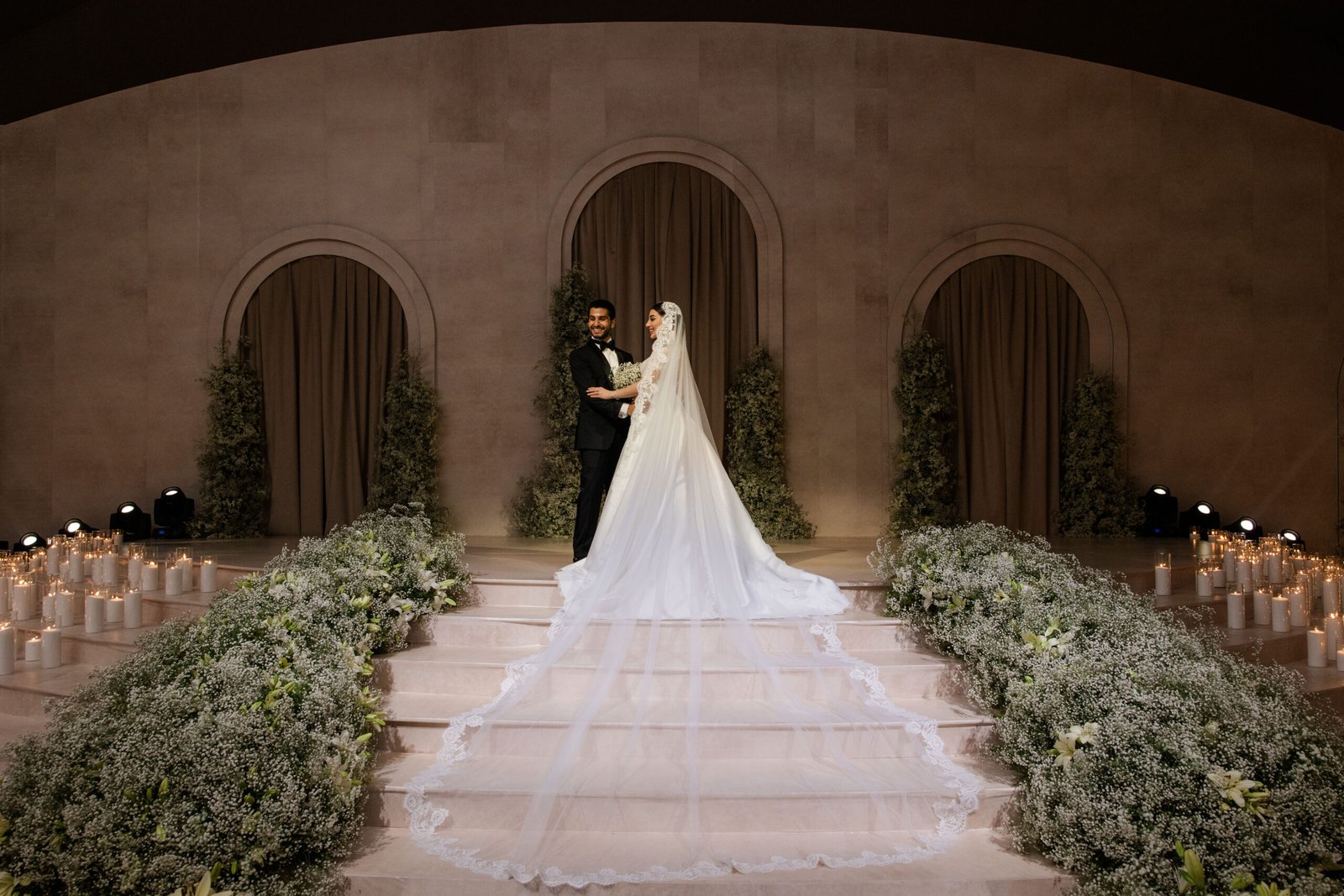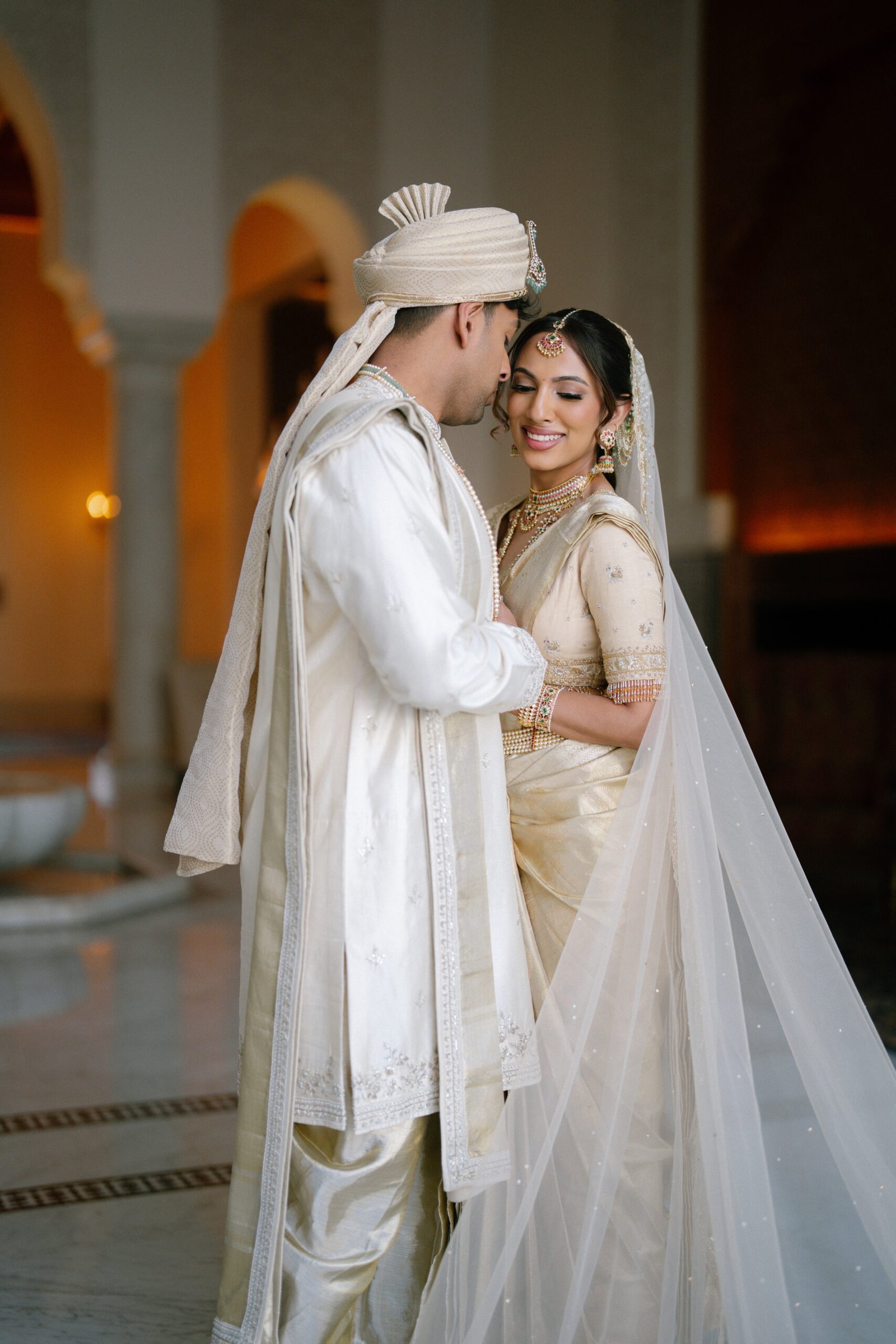
Category: Weddings in Morocco

Real destination weddings, venue guides and planning advice from Hello Moments & Co in Marrakech, Rabat and across Morocco.

  • The New Geography of Love: Where Fine Weddings Take Shape

    The New Geography of Love: Where Fine Weddings Take Shape

    Love has always been a traveller. But today, it travels further, more frequently, and with greater purpose than ever before. The places where couples choose to say I do are no longer determined by geography or convenience. They are chosen with the same care and intention that goes into selecting the words of their vows.

    Each destination becomes a declaration of who they are and what they hold most beautiful in this world.

    Welcome to the new geography of love, a landscape where the world’s most beautiful weddings are taking shape in destinations that offer not just beauty, but meaning. These are places where the setting does not merely contain the celebration but actively participates in it, where the light, the air, and the ancient stones themselves seem to bear witness to the vows being spoken.

    Beyond the Conventional: Destinations That Tell a Story

    The most compelling luxury wedding destinations are not simply beautiful. They are resonant. They carry histories, energies, and atmospheres that interact with the celebration in ways both tangible and mysterious.

    The discerning couples of today understand this instinctively. They do not ask: where is the most impressive place to get married? They ask: where does our story belong?

    Some stories belong in places of ancient grandeur, where centuries of human celebration have imbued the very walls with a quality of joy. Others belong in landscapes of raw, untamed beauty, where the couple’s intimacy is set against the vast scale of nature. And some stories find their home in places that surprise, destinations that guests would never have expected, but that, once experienced, seem utterly, perfectly right.

    The most skilled wedding planners act as guides on this journey of discovery. They present not a catalogue of venues but a curated selection of possibilities, each one carefully matched to the couple’s personality, aesthetic sensibility, and the story they wish to tell.

    Marrakech: The Timeless Canvas

    Among the world’s great destination wedding locations, Marrakech occupies a singular position. It is a city that has been welcoming travellers for a millennium, yet it retains the capacity to astonish even the most experienced visitor.

    The quality of its light alone has drawn artists and dreamers for centuries. That particular golden warmth that transforms everything it touches.

    But Marrakech offers more than aesthetics. It offers a philosophy of hospitality that is woven into the very fabric of Moroccan culture. From the grandeur of palatial venues to the intimate poetry of hidden riads, from the theatrical energy of the medina to the serene majesty of the Atlas Mountains, Marrakech provides a palette of experiences that few destinations can match. Each celebration here tells a story that is unique to the couple yet deeply connected to the city’s own narrative. The venue at Kasbah Tamadot, for instance, offers an extraordinary combination of mountain drama and intimate luxury.

    What makes Marrakech the best destination for wedding celebrations in Morocco is not any single quality but the extraordinary depth of what it offers. A couple can host a traditional Moroccan dinner in a palace one evening and a contemporary cocktail reception in a modernist gallery the next, all within the same ancient city.

    The Mediterranean’s Quiet Revolution

    While Marrakech commands attention, a quieter revolution is unfolding across the Mediterranean. Couples are discovering destinations that offer the warmth and beauty of traditional European wedding locations with a freshness and authenticity that feels entirely contemporary.

    The Algarve’s cliff-top estates, where the Atlantic provides a soundtrack of constant, gentle power. Sicily’s baroque palazzi with their faded grandeur, where every peeling fresco tells a story of centuries past. The Greek islands where whitewashed simplicity frames celebrations with effortless elegance. In each of these places, the landscape itself becomes a collaborator. Those who have celebrated at luxury Moroccan venues speak of an experience that transcended their expectations of what a wedding venue could offer.

    Yet for many couples who explore these Mediterranean options, the comparison only deepens their appreciation for what North Africa uniquely offers. The sensory intensity of Morocco, the colours, the textures, the sounds, the fragrances, creates a depth of experience that even the most beautiful European destinations struggle to match.

    Emerging Destinations for the Discerning Couple

    For those seeking the truly unexpected, new destinations are emerging on the luxury wedding map. The mountain retreats of Rwanda offer a combination of exclusivity and natural drama that is simply unmatched. The coastal cities of Oman present a fusion of Arabian heritage and contemporary sophistication.

    What unites these diverse destinations is not a single aesthetic but a shared quality: the ability to make guests feel that they have been transported to somewhere genuinely remarkable, a place that adds its own voice to the celebration.

    The boho elegance of Amanjena offers a perfect example of how a venue can become a creative partner. The resort’s Moorish architecture and serene gardens do not simply accommodate a celebration. They inspire it, suggesting design directions and atmospheric qualities that a skilled planner can amplify into something genuinely singular.

    When High-Profile Celebrations Set the Standard

    The world’s most high-profile celebrations have always served as bellwethers for the luxury wedding industry. When notable figures choose a destination, they signal not just personal taste but a broader cultural shift in what is considered desirable and aspirational.

    The celebrated wedding of Mel B in Marrakech demonstrated what the city can offer at the highest level of production and creativity. But it also revealed something more profound: that Marrakech’s appeal lies not in its novelty but in its timelessness. The city does not need to try to impress. Its beauty is inherent, its hospitality instinctive, its capacity for celebration limitless.

    The most important lesson these celebrations teach is that a truly luxury wedding destination is not defined by its price tag or its exclusivity. It is defined by its capacity to create moments that transcend the ordinary, moments that, regardless of the guest list, feel intimate, authentic, and profoundly moving.

    Choosing a Destination That Chooses You Back

    The most successful destination weddings are those where the relationship between couple and place feels reciprocal. The couple has chosen the destination, yes. But there is a sense in which the destination has also chosen them, reflecting their values, amplifying their aesthetic, and providing a context in which their love story gains new dimensions.

    This is where the role of an experienced wedding planner becomes invaluable. Not simply as a coordinator of logistics, but as an interpreter, someone who can read the possibilities of a place and translate them into a celebration that feels both intentional and inevitable.

    The new geography of love is vast, varied, and full of possibility. For couples with the courage to look beyond the obvious, the world itself becomes the most beautiful venue of all. The map is wide open. The only question that matters is: where does your love story want to be told?
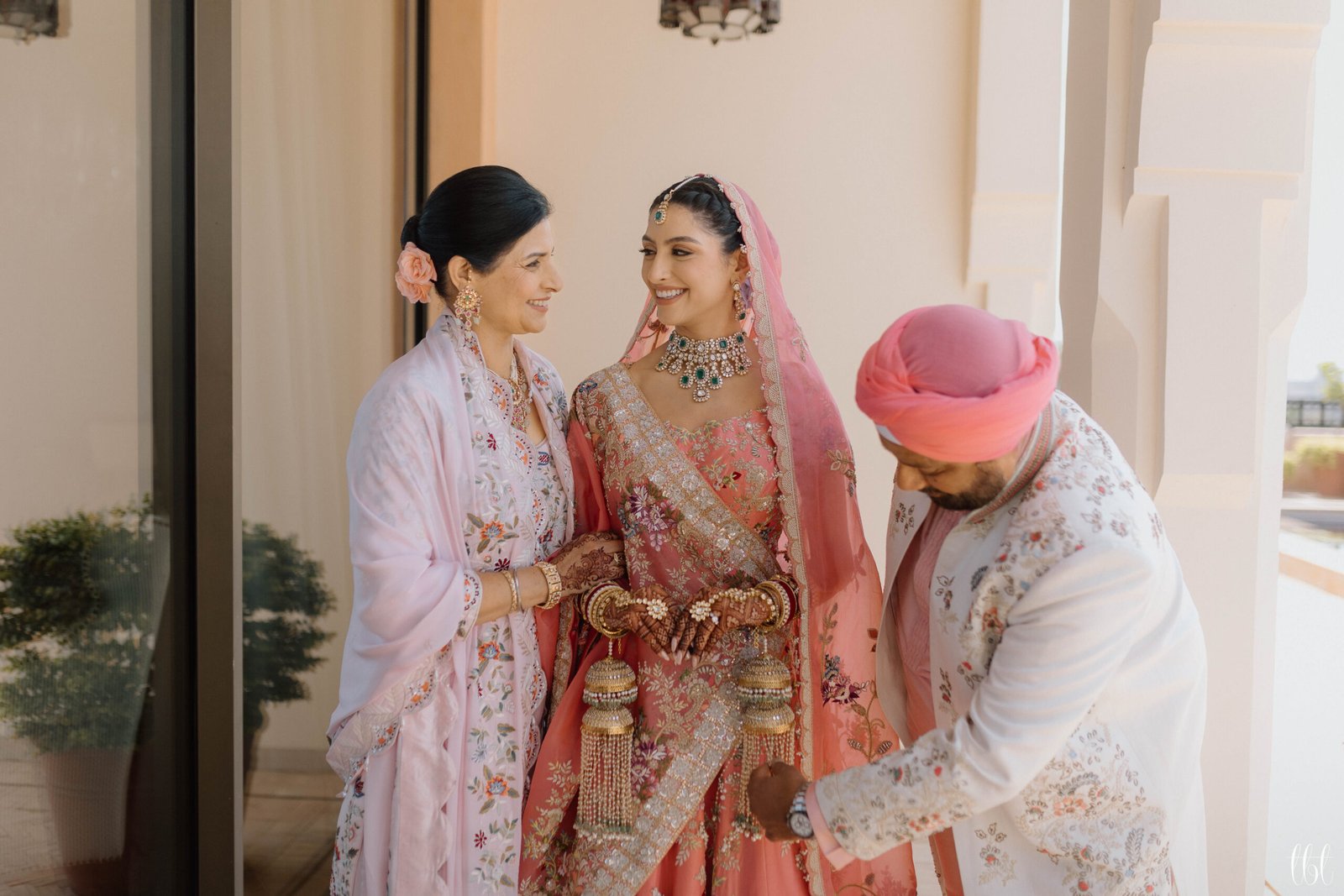
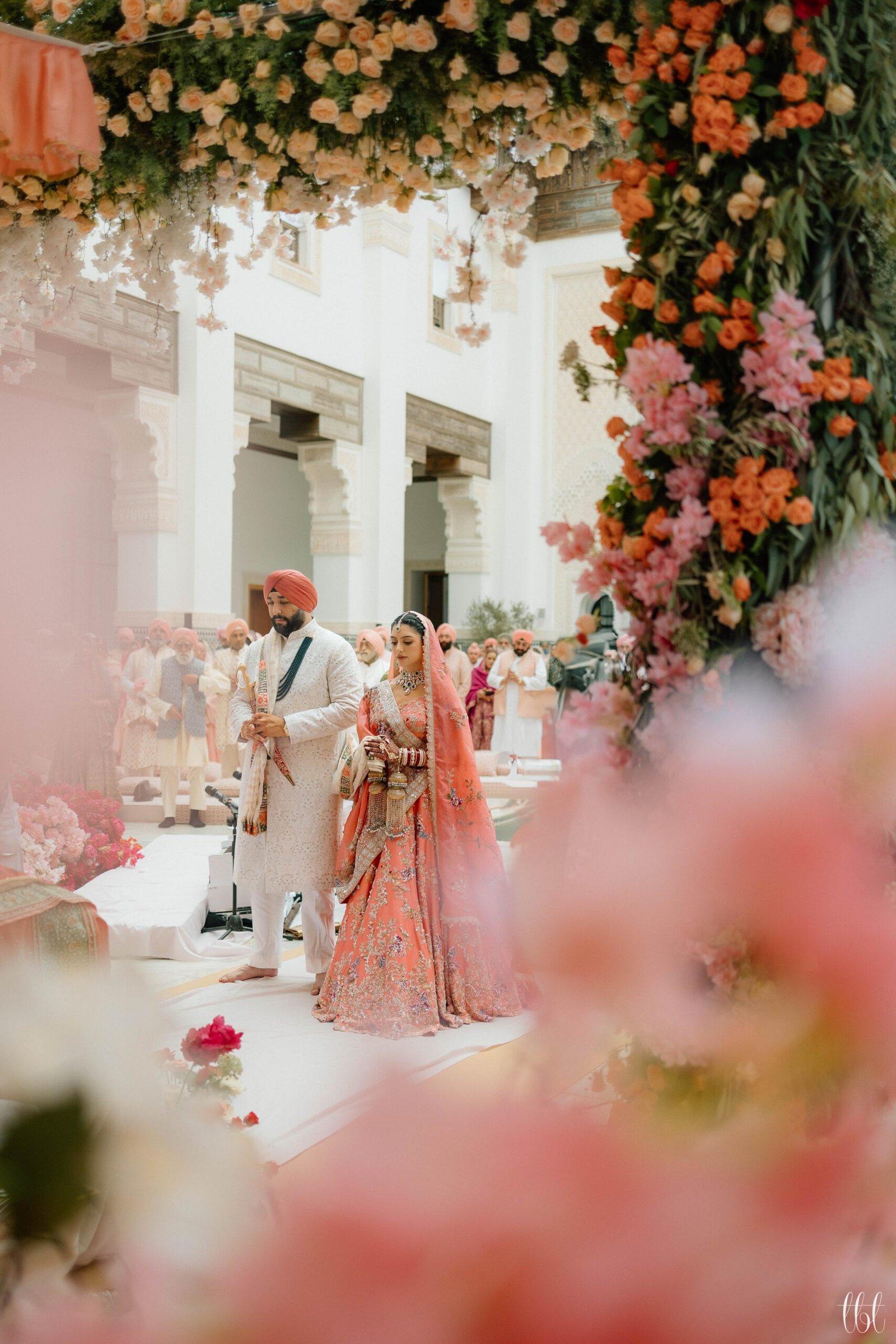
  • The Art of Arrival: Designing Weddings That Belong Anywhere

    The Art of Arrival: Designing Weddings That Belong Anywhere

    A celebration begins long before the first toast is raised. It begins the moment a guest arrives, the moment they step from the familiar into something that has been prepared, with intention and care, just for them. The art of arrival is the art of first impression, and in the world of international wedding planning, it is where the entire experience is set in motion.

    The finest celebrations do not feel as though they have been dropped into a beautiful location. They feel as though they belong there, as though the place itself had been waiting for precisely this gathering of people. This sense of belonging does not happen by accident. It is the result of meticulous planning, cultural sensitivity, and a creative vision that sees the destination not as a backdrop but as a co-author of the celebration.

    What stays with us is not the destination, but the way it was revealed.

    The First Impression: Why Arrival Matters

    There is a particular quality to the moment when guests first encounter a celebration. It is brief, perhaps lasting only seconds, but it shapes everything that follows.

    The scent of the air. The quality of the light. The way someone greets them and guides them forward. These are the details that tell guests, before a single word of welcome is spoken, that they are somewhere extraordinary.

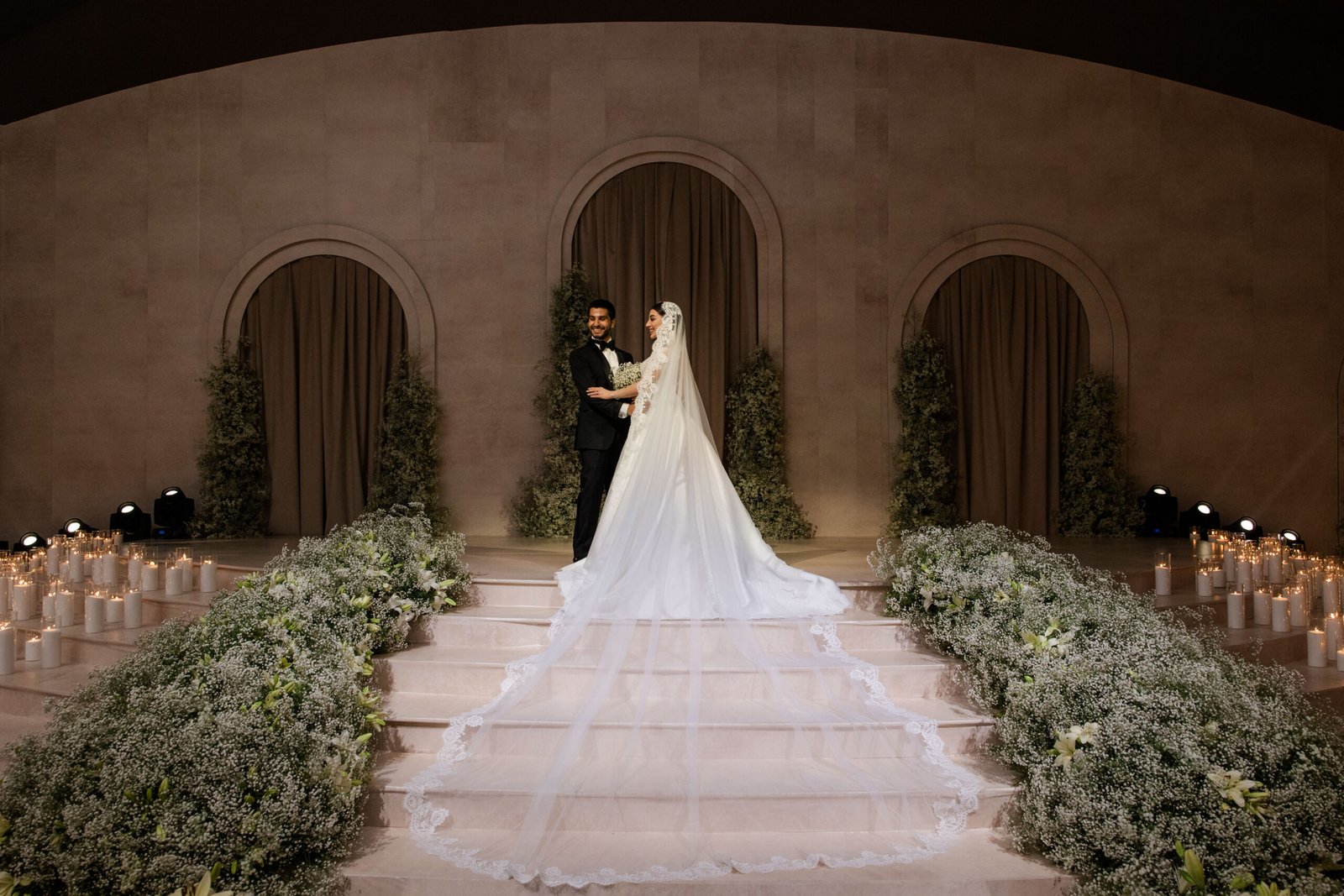
    In Marrakech, this moment carries additional weight. Many guests are arriving in a city they have never visited, a culture they may know only through images and stories. The transition from airport to riad, from international travel to intimate celebration, must be handled with sensitivity and grace. When a couple brought their guests from Parisian elegance to Moroccan magic, the arrival was designed to create a sense of passage between worlds, a threshold crossing that made everything that followed feel enchanted.

    The arrival experience also sets the social tone for the days ahead. When guests are welcomed individually, by name, with a handwritten note and a gift that reflects the local culture, they understand immediately that they are not attending a mass event but a personal invitation. This sense of being personally considered is the foundation of every great celebration.

    Reading the Genius Loci

    Every place has its own character, its own rhythms, its own way of welcoming those who arrive with open hearts. The Latin phrase genius loci, the spirit of place, captures something essential about what makes a destination celebration feel authentic rather than artificial.

    A thoughtful destination wedding planner reads this spirit before making any design decisions. In Morocco, it might mean honouring the tradition of mint tea as a gesture of hospitality. In Tuscany, it might mean allowing the landscape to dictate the colour palette. In each case, the goal is the same: to create a celebration that could only happen here, a celebration so rooted in its setting that transplanting it would be unthinkable.

    This is what distinguishes a bespoke celebration from one that merely occupies a beautiful setting. The former is in dialogue with its environment. The latter simply sits within it.

    Reading the genius loci also means understanding the temporal rhythms of a place. In Marrakech, the golden hour before sunset is a gift that no lighting designer could replicate. The cool of early morning, when the gardens are at their most fragrant, offers a quality of calm that transforms a simple breakfast into a meditative experience.

    Translating Heritage Across Borders

    For couples whose families span different cultures, the challenge is not simply logistical. It is deeply personal.

    How do you honour your grandmother’s traditions in a country she has never visited? How do you create space for rituals that may be unfamiliar to half of your guests? How do you ensure that every person present feels both included and authentically represented?

    The answer lies in translation rather than transplantation. A Moroccan henna ceremony can become a bridge between cultures when framed with warmth and context. An Indian sangeet can light up a Marrakech palace courtyard in ways that feel both traditional and entirely fresh. When an Indian celebration unfolded in the heart of Marrakech, the result was not a clash of aesthetics but a harmonious conversation. Two cultures, separated by thousands of miles, discovered in that moment how much they shared.

    This process of cultural translation requires humility and deep research. It means consulting with families, speaking with cultural advisors, and sometimes travelling to the couple’s home countries to witness traditions in their original context. Only then can a planner create a celebration that honours both the letter and the spirit of each tradition.

    When Design Speaks the Language of Place

    The most powerful design choices in a destination celebration are often the ones guests cannot articulate but deeply feel.

    A table setting that echoes the geometry of local zellige tiles. Lighting that mirrors the golden hour unique to the Moroccan desert. Floral arrangements that incorporate indigenous plants alongside imported blooms, creating a botanical conversation between the couple’s origins and their chosen destination. These are not decorative choices. They are acts of design intelligence.

    Consider the garden celebration designed around the intimate garden celebration, where the natural architecture of Marrakech’s botanical heritage became the primary design element. Rather than competing with the garden’s own beauty, the design team amplified it: discreet uplighting on century-old trees, table arrangements that incorporated the garden’s own flowers, and a colour palette drawn entirely from the blooms already present. The result felt not designed but discovered, as if the celebration had always been waiting there, hidden among the roses.

    This is the work that Hello Moments approaches with particular devotion, believing that every celebration should feel as though it belongs exactly where it is.

    The Invisible Thread: Cohesion Across Days and Locations

    A multi-day destination wedding is a complex narrative with multiple chapters. The welcome dinner, the ceremony, the reception, the farewell brunch. Each must feel distinct yet connected. The invisible thread that binds them is not a colour scheme or a font choice. It is a feeling, a quality of attention that guests sense even when they cannot name it.

    Creating this thread requires planning that is both meticulous and intuitive. It means knowing when to build energy and when to allow for quiet. When to surprise and when to reassure.

    A bohemian chic celebration across multiple days might begin with barefoot informality at a welcome dinner, build through the structured beauty of the ceremony, reach its peak in the exuberant energy of the reception, and resolve in the soft intimacy of a morning-after brunch where shoes are optional and laughter is mandatory.

    For couples who choose to celebrate across borders, this thread becomes the constant in a landscape of beautiful variables. It is what transforms a series of events into a single, unforgettable experience, a story told across days and locations but unified by a single, unwavering vision.

  • A World of Celebrations: Bespoke Weddings Across Continents

    A World of Celebrations: Bespoke Weddings Across Continents

    Somewhere between the ancient courtyard walls of a Moroccan palace and the rolling vineyards of southern France, a new chapter in the story of celebrations is being written. Couples whose lives have been shaped by multiple continents are creating weddings that honour not one tradition, but many. They weave together cultural threads with the confidence of people who understand that “beauty is not singular”. It is layered, complex, and infinitely more compelling when it draws from multiple sources.

    These are not weddings that follow a formula. They are “high-end destination weddings” conceived as immersive experiences, celebrations where every element, from the cuisine to the music to the placement of a single candle, tells part of a larger story.

    What makes this moment so remarkable is the sheer ambition of vision that couples now bring to their planning. They are not choosing between tradition and modernity, between East and West, between intimacy and grandeur. They are choosing “all of it”, and finding planners with the skill and sensitivity to make it work.

    When East Meets West at the Altar

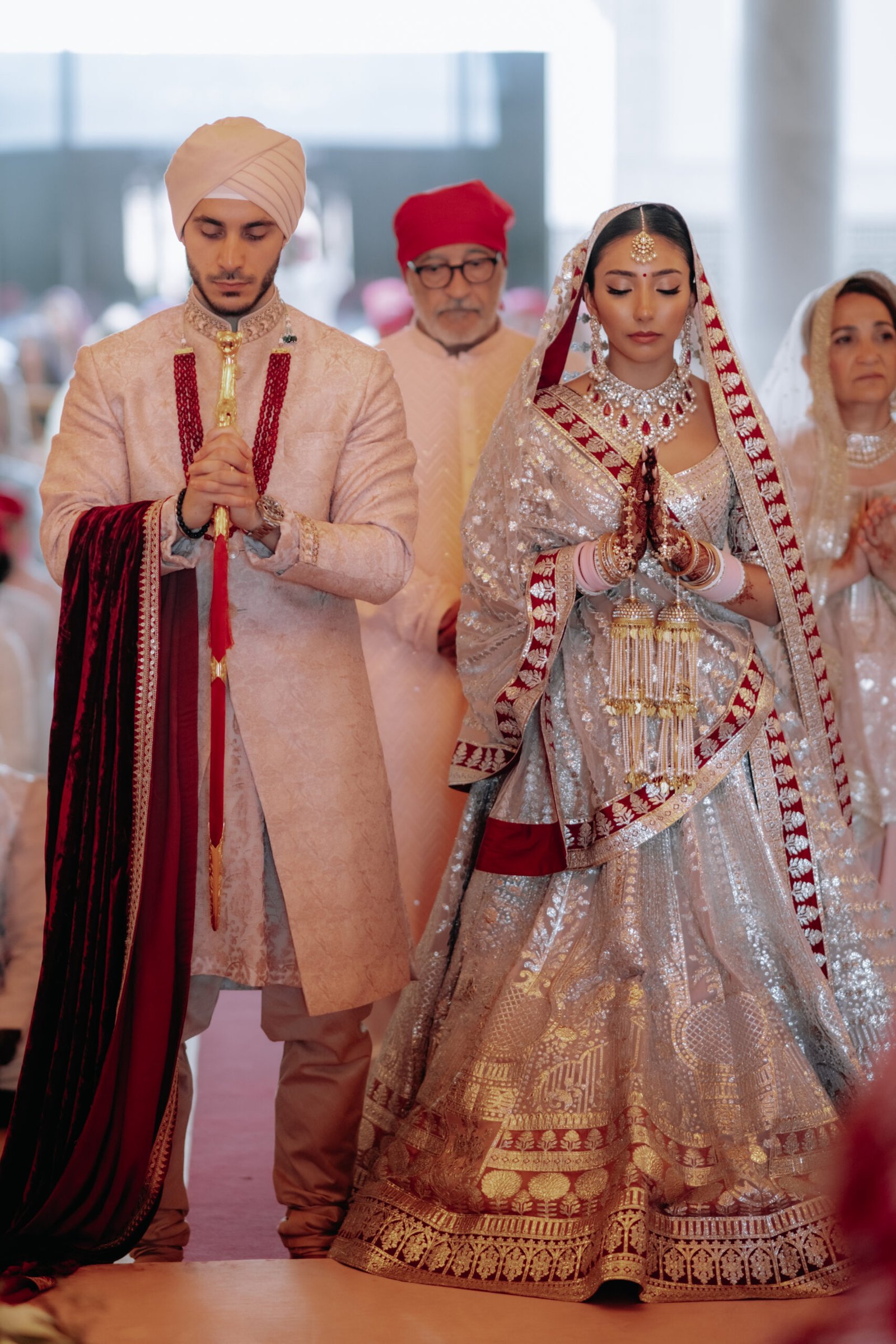
    The most extraordinary celebrations of our time are those that refuse to choose between traditions. A Sikh ceremony beneath Moroccan arches. A Greek Orthodox blessing followed by a Bollywood-inspired reception. A Japanese tea ceremony as the prelude to a European-style dinner dance. These are not contradictions. They are conversations, dialogues between cultures that, when orchestrated with intelligence and respect, create something more powerful than either tradition could achieve alone.

    What matters most is not the novelty of combination but the “depth of intention” behind each choice. When a couple honours both their heritage and their shared future, every guest in the room feels the authenticity. There is no performance, only presence.

    The key lies in preparation and communication. Months before the celebration, the planner works with both families to understand not just the logistics of each ceremony but its emotional significance. Which moments are non-negotiable? Where is there room for creative interpretation? What will make the grandmother who has never left her village feel as honoured as the cosmopolitan friends who have attended weddings on every continent?

    These are the questions that separate a culturally sensitive celebration from one that merely borrows aesthetics from different traditions.

    Africa’s Emerging Luxury Wedding Scene

    While Europe has long held its place in the wedding imagination, “Africa” has emerged as one of the most compelling destinations for couples seeking something beyond the conventional. Morocco in particular offers a richness of experience that is difficult to replicate elsewhere: landscapes that shift from desert to ocean within hours, a hospitality tradition rooted in genuine warmth, and a creative scene that draws from centuries of artistic heritage.

    In “Marrakech”, the possibilities are extraordinary. Palaces that once hosted royalty now welcome intimate celebrations. Riads hidden behind unassuming doors reveal courtyards of breathtaking beauty. The Atlas Mountains offer a dramatic counterpoint to the city’s vibrant energy.

    The continent’s appeal extends beyond Morocco. Celebrations that honour diverse heritage are redefining what a luxury wedding can look like, drawing on the extraordinary diversity of the continent’s cultures, textiles, music, and cuisine.

    What makes Africa particularly compelling for the modern couple is its capacity for “surprise”. Unlike more established European destinations where every photograph has been taken and every view documented, Africa offers guests a genuine sense of discovery. The first sight of the Atlas Mountains at dawn, the sound of Gnawa music echoing through a centuries-old riad, the taste of freshly baked msemen at a morning-after brunch. These are moments that cannot be replicated and that guests carry with them for life.

    Europe’s Grand Estates and Hidden Gems

    The allure of a European wedding endures, though the most discerning couples are looking beyond the expected. Rather than the well-documented chateaux and coastal villas, they seek the places that feel discovered rather than displayed. A restored monastery in Portugal. A family-owned estate in Puglia where the olive oil is pressed on-site. A Scottish castle where the mist becomes part of the atmosphere.

    What distinguishes a truly “luxury wedding in Europe” from a merely beautiful one is the quality of the planning behind it. The logistics of an international guest list, the navigation of local regulations, the curation of vendors who share the couple’s standards. All of this requires expertise that goes far beyond event coordination.

    Yet even as couples explore European options, many find themselves drawn to destinations that offer something Europe cannot quite match. The “sensory intensity” and cultural depth of places like Morocco, where celebrations take on a dimension that transcends the merely visual. This is why some of the most sophisticated couples choose to begin their journey in Paris and continue it in Marrakech.

    The Art of Fusion: When Cuisines and Customs Create Something New

    Food is perhaps the most powerful cultural language at any celebration. It speaks to identity, memory, and belonging in ways that words often cannot.

    A wedding where cultures converge in celebration might feature a menu where Moroccan tagine shares the table with Mexican mole, each dish prepared with absolute authenticity and presented as a gift from one culture to another. The guest who has never tasted harira discovers it alongside someone for whom it is the flavour of childhood. In that shared moment of tasting, a bridge is built between worlds.

    The best wedding planners understand that these culinary decisions are not mere logistics. They are “acts of cultural diplomacy”, opportunities to honour both families’ traditions while creating new ones.

    Creating Cohesion Across Cultures

    The art of a multicultural celebration lies in creating cohesion without erasing difference. The best event designers understand that a Hindu ceremony and a Western reception need not look the same to feel connected. The thread is often invisible: a colour palette that evolves through the day, a fragrance that recurs in different forms, a musical motif that appears first as a classical arrangement and returns later as a dance anthem.

    This is design as storytelling. It asks each guest to be both witness and participant, to experience something unfamiliar with the comfort of knowing they are held within a thoughtfully constructed world.

    The Indian celebration reimagined in a Moroccan setting is a perfect example of this principle in action. The vibrancy of Indian wedding traditions finds a natural companion in Morocco’s own tradition of lavish celebration. The two cultures do not compete. They amplify each other, creating an experience that is exponentially richer than either could produce alone.

    The Future of Global Celebrations

    As our world becomes simultaneously more connected and more conscious of cultural specificity, celebrations will continue to evolve. The couples who are shaping this future are not interested in trends. They are interested in “truth”. In celebrations that reflect who they are rather than what is expected of them.

    They understand that the most beautiful wedding is not the most expensive or the most elaborate, but the one that most honestly expresses the love at its centre.

    The future belongs to celebrations that are as “global as the couples who create them”. Weddings that cross borders not as a statement of luxury but as a natural expression of lives lived fully and loves forged across the beautiful complexity of our interconnected world. These celebrations do not merely reflect our moment in history. They help to shape it. One dance, one toast, one shared meal at a time.

  • Why Marrakech Stays With You

    Why Marrakech Stays With You

    There is a particular kind of memory that surfaces years after a celebration has ended. Not a photograph, not a fact, but a feeling. The weight of evening air. The sound of laughter carrying across a courtyard. The moment you realized you were exactly where you were meant to be.

    These memories are not accidental. They emerge from celebrations designed not to impress, but to resonate. Where every detail, from the first greeting to the final farewell, is considered through the lens of human experience rather than aesthetic spectacle. This is the territory of luxury event design at its most meaningful: creating the conditions for genuine connection, for presence, for the kind of ease that allows a celebration to become something more.

    What separates an event that fades from one that lingers? The answer lies not in scale or budget, but in a deeper understanding of how people move through space, time, and emotion together.

    The architecture of feeling

    A celebration unfolds in layers. There is what guests see, the visible design, the flowers, the table settings. Then there is what they sense: the temperature of a room, the quality of light as afternoon turns to evening, the way sound travels or softens depending on materials and space.

    The most sophisticated luxury event design operates at this second level. It recognizes that comfort is not merely physical but atmospheric. That a guest’s experience begins long before they arrive at the venue, shaped by the clarity of communication, the thoughtfulness of logistics, the sense that someone has anticipated not just their needs but their unspoken concerns.

    Consider the rhythm of a multi-day celebration. There must be crescendos, certainly, moments of collective joy, of ritual, of beauty. But there must also be pauses. Time to rest, to wander, to have the conversations that happen only when people are not being directed from one moment to the next. This balance between structure and spaciousness is where true luxury reveals itself.

    The materials matter too, though not in the way one might expect. It is not about rare or expensive elements for their own sake, but about authenticity and resonance. Linen that feels right in the hand. Wood that carries the patina of craftsmanship. Flowers chosen not for drama but for their scent, their seasonality, their relationship to place. These details accumulate in the subconscious, creating an environment where people can exhale fully.

    Light, perhaps more than any other element, shapes how a celebration feels. The harsh glare of overhead fixtures creates a different emotional landscape than the warm glow of candles and carefully positioned ambient lighting. The way natural light moves through a space throughout the day tells its own story, one that thoughtful design can honor rather than fight against.

    Cultural fluency as hospitality

    When celebrations bring together guests from different backgrounds, countries, and traditions, the role of luxury event planning becomes one of translation. Not literal translation, but the deeper work of creating a space where everyone feels genuinely welcomed, where cultural nuances are respected without being reduced to stereotype.

    This requires more than research. It demands genuine curiosity and humility. Understanding that hospitality traditions vary widely, that what signals warmth in one culture might read as intrusive in another. That dietary considerations are often deeply personal, tied to faith, health, and identity in ways that deserve more than a checkbox on a planning form.

    The most successful international celebrations create a third space, neither fully of one culture nor another, but a careful weaving of elements that honors multiple traditions while maintaining coherence. This might mean adapting the timing of events to accommodate different rhythms of celebration. It might involve working with artisans and vendors who bring authentic cultural knowledge rather than surface aesthetics.

    Language itself becomes a design element. Signage, menus, programs, these can either include or exclude. The decision to present information multilingually, or to rely on visual communication where appropriate, signals respect and consideration. It acknowledges that not everyone moves through the world in the same way.

    There is also the question of place. When a celebration happens in a location significant to one family or culture but unfamiliar to others, how do you create context without condescension? How do you invite guests into the story of a place while allowing them to form their own relationship with it? This balance, between guidance and discovery, is where cultural fluency becomes an act of generosity.

    The sensory architecture of memory

    Science tells us that scent is the sense most closely linked to memory. A particular fragrance can transport us instantly to another time, another place. Yet in event design, scent is often overlooked in favor of the purely visual.

    The most memorable celebrations engage all the senses deliberately:

    • The scent of jasmine carried on evening air, or the earthy smell of rain on warm stone
    • The texture of handwritten notes on quality paper, the weight of proper glassware
    • The sound of live music that responds to the energy of the room rather than overwhelming it
    • The taste of food that speaks to place and season, prepared with care rather than merely presented with flair
    • The play of shadow and light that changes throughout an event, marking time without announcing it

    These elements work together to create what might be called emotional legibility, a celebration that people can read with their whole being, not just their eyes. When design operates at this level, guests remember not just what they saw but how they felt. The two become inseparable.

    Texture, in particular, deserves more attention than it typically receives. The difference between synthetic and natural materials is something people register unconsciously. Linen wrinkles in a way that polyester does not, and that imperfection carries information: this is real, this is human, this has not been overly controlled. The same principle applies to flowers that are allowed to move naturally rather than being rigidly structured, to food that shows the hand of the cook rather than aspiring to industrial perfection.

    When everything runs so smoothly it disappears

    There is a paradox at the heart of exceptional luxury event production. The more seamlessly everything flows, the less guests notice the infrastructure that makes it possible. The goal is not to showcase the complexity of what has been orchestrated, but to make it vanish entirely.

    This requires a particular kind of confidence. The willingness to let hosts and guests take center stage while the production team remains invisible. To solve problems so quietly that no one knows they occurred. To read a room’s energy and adjust in real time, bringing out dessert early because the moment is right, extending a cocktail hour because conversations are deepening, dimming lights gradually rather than all at once.

    The best event teams operate with what might be called generous anticipation. They think three steps ahead not to control outcomes but to remove obstacles before they appear. They understand that their role is not to execute a rigid plan but to hold space for something alive to emerge, something that includes spontaneity, surprise, the unexpected grace notes that no timeline can predict.

    This approach requires deep collaboration with vendors and venues. Not a hierarchical relationship but a true partnership, where everyone involved understands not just their specific task but the larger intention. When florists, caterers, musicians, and technical teams are all working from the same emotional brief, when they understand the feeling being created, not just the logistics being executed, the result transcends the sum of its parts.

    There is also the question of contingency. Weather changes. People arrive late. Technology fails. The mark of sophisticated event production is not that nothing goes wrong, but that when it does, the response is so graceful that guests remain unaware. This requires both meticulous planning and the capacity to improvise, two qualities that might seem opposed but are, in practice, deeply complementary.

    What lingers

    Years after a celebration ends, what do people remember? Rarely the budget or the scale. More often, it is a feeling of having been seen. Of having been welcomed not as a category of guest but as a specific human being. Of having witnessed something genuine, a moment of emotion, of connection, of beauty that felt earned rather than manufactured.

    They remember the host who was relaxed enough to enjoy their own event because they trusted the team holding the details. They remember conversations that went deep because the environment made it safe to be authentic. They remember children running freely, elders seated comfortably, dietary needs met without fuss, accessibility considered without announcement.

    These memories accumulate into something larger: a sense that celebrations can be both beautiful and humane. That luxury is not about excess but about care. That the most impressive events are often the ones that feel most effortless, where guests leave thinking not “that was spectacular” but “that was exactly right.”

    This is the work Hello Moments & Co has dedicated itself to, creating celebrations that honor both the vision of our clients and the humanity of their guests. Whether designing a multi-day destination wedding, orchestrating a significant milestone anniversary, or producing a brand event that needs to resonate across cultures, our approach remains consistent: deep listening, cultural fluency, and an unwavering commitment to the details that transform an event into a memory.

    If you are envisioning a celebration that lingers, one that feels as meaningful as it looks, that honors both tradition and spontaneity, that allows everyone present to be fully there, we would be honored to be part of that conversation.

  • When Decor Carries Meaning

    When Decor Carries Meaning

    There is something about Morocco that refuses to leave you. Long after the last guest has departed, long after the photographs have been framed, what remains is not just the memory of a celebration, but the feeling of having been somewhere that mattered. A place where time moved differently. Where every sense was awakened. Where a wedding became not just an event, but a threshold into something deeper.

    For couples drawn to destination weddings that transcend the ordinary, Morocco offers something rare: a landscape where ancient ritual and contemporary luxury exist without contradiction. Where a celebration can feel both intimate and grand, both rooted and utterly free. But creating that experience requires more than logistics. It requires understanding what truly makes a moment linger.

    When place becomes part of the story

    Morocco does not announce itself. It unfolds. The light shifts from rose to amber in the span of an afternoon. The scent of orange blossom drifts through courtyards unannounced. Conversations happen in three languages at once, and somehow everyone understands.

    The question is not whether Morocco is beautiful, that is evident. The question is how to work with that beauty in a way that feels considered rather than imposed. How to let the place breathe through the celebration, rather than treating it as a backdrop.

    This begins with understanding rhythm. In Marrakech, in the Atlas foothills, along the coast, each location has its own cadence. The way light falls. The time when the medina comes alive. The hour when the call to prayer echoes across rooftops, and guests pause, not because they must, but because something in them wants to listen.

    A wedding that works with this rhythm, rather than against it, creates space for genuine presence. For moments that are not choreographed but discovered. For the kind of ease that allows people to stop performing and simply be.

    The architecture of welcome

    Hospitality in Morocco is not a service, it is a form of grace. And when planning a celebration here, that distinction matters. Guests do not want to feel managed. They want to feel welcomed into something real.

    This is where cultural fluency becomes essential. Not as a box to tick, but as a way of moving through the world. It means understanding that mint tea served at arrival is not just refreshment, it is ritual. That the arrangement of a table, the sequence of a meal, the way music shifts from background to foreground, all carry meaning.

    It also means knowing when to step back. When to let local artisans lead. When to trust that the right ceramicist, the right calligrapher, the right musician will bring something no amount of imported expertise can replicate.

    For Hello Moments & Co, this is where years of working between Marrakech and London become invaluable. We know which riads offer true privacy without isolation. Which chefs can create a menu that honours tradition while accommodating dietary needs. Which musicians understand how to read a room, adjusting tempo and volume not by schedule, but by feeling.

    What guests remember

    Ask anyone who has attended a wedding in Morocco what stayed with them, and they rarely mention the obvious. They remember:

    • The moment they stepped from the noise of the medina into the cool silence of a courtyard, and felt their shoulders drop
    • The way lanterns cast shifting shadows on zellige tiles as evening fell
    • A conversation with a stranger that turned into something unexpectedly meaningful
    • The taste of saffron and preserved lemon in a dish they cannot name but will never forget
    • How the bride looked not when she entered, but when she laughed, unguarded, fully there

    These are not things you can script. But you can create the conditions for them to happen.

    Time as a gift

    One of the most common mistakes in destination weddings is trying to compress too much into too little time. A ceremony at sunset, a cocktail hour, dinner, dancing, late-night entertainment, all stacked so tightly that guests move from one moment to the next without ever arriving.

    Morocco invites a different approach. One where the celebration unfolds over days, not hours. Where there is time for a hammam visit before the ceremony. For a long lunch in the gardens. For guests to wander the souks, or simply sit with a book in the shade.

    This is not about adding more events. It is about building in pauses. Allowing people to absorb, to rest, to let the experience settle before the next one begins. It is recognising that luxury, at its truest, is not abundance, it is spaciousness.

    When we design multi-day celebrations, we think as much about the transitions as the highlights. What happens between the welcome dinner and the ceremony? How do guests move from day to evening? What small gestures, a handwritten note, a basket of fruit, a suggestion for where to watch the sunset, make them feel cared for without being managed?

    The role of sensory memory

    Years from now, when your guests think back to your wedding, they will not recall the timeline. They will recall how it felt to be there. And feeling is anchored in the senses.

    This is why we pay attention to fragrance. To the specific roses used in arrangements, chosen not just for colour but for scent. To the incense that might be lit as guests enter a space, subtle enough to register subconsciously. To the way certain dishes, tagines cooked slowly over coals, pastilla dusted with cinnamon and icing sugar, carry aroma as much as flavour.

    Light, too, is never incidental. The way candles are placed. The decision to use lanterns rather than spotlights. The understanding that Moroccan architecture is designed to play with light and shadow, and that working with that interplay creates atmosphere no amount of imported lighting can match.

    What it means to bring people together

    A wedding is not a performance for an audience. It is a gathering. And a gathering only works when everyone, from the couple to their parents, from longtime friends to new acquaintances, from children to elders, feels genuinely included.

    In Morocco, this is easier than in many places, because the culture itself is communal. Meals are shared from common platters. Music invites participation, not passive observation. Spaces are designed for conversation, with seating that encourages people to turn toward each other rather than all facing the same direction.

    But inclusion is not automatic. It requires thought. Are there guests who do not speak the same language? Are there ways to make them feel connected without forcing interaction? Are there children present, and if so, have we created spaces where they can be children, not miniature adults expected to sit still through hours of formality?

    These questions matter because they shape the emotional texture of the day. A celebration where people feel at ease is one where spontaneity can emerge. Where a toast becomes genuinely moving because the speaker feels safe to be vulnerable. Where dancing starts not because it is time, but because the music and the mood have aligned.

    This is what we mean when we talk about presence over performance. It is not about lowering standards, far from it. It is about raising the ambition from impressive to unforgettable.

    Creating the conditions for memory

    There is no formula for what makes a celebration linger. But there are principles. Attention over accumulation. Rhythm over rigidity. Cultural respect over appropriation. Time over haste.

    Morocco offers all of this, but only if approached with care. With a willingness to listen before deciding. To collaborate rather than dictate. To understand that the most meaningful celebrations are not the ones that announce themselves loudest, but the ones that invite people to lean in.

    At Hello Moments & Co, this is the work we do. Not as vendors executing a brief, but as partners helping to shape something that will matter long after the last lantern has been extinguished. We bring years of experience working across cultures, managing the complexity of destination events, and understanding what transforms a beautiful day into a cherished memory.

    Because in the end, that is what we are all seeking. Not perfection, but presence. Not spectacle, but connection. Not a wedding that looks like everyone else’s, but one that feels unmistakably, unforgettably yours.

  • How a Place Shapes a Celebration

    How a Place Shapes a Celebration

    When place becomes part of the story

    There is something about Marrakech that refuses to be reduced to a backdrop. The city doesn’t simply host celebrations, it participates in them. The light at golden hour, the scent of orange blossom drifting over ancient walls, the way sound travels differently in a riad courtyard than it does under open sky. These are not decorative details. They are the conditions under which memory forms.

    For those planning a celebration here, the question is not how to impose a vision onto the city, but how to let the city shape what unfolds. This requires a different kind of listening. Not to trends or templates, but to the rhythm of the place itself, its materials, its craft traditions, its understanding of hospitality as something offered, not performed.

    What follows is not a checklist, but a consideration of what it means to create something that feels both intentional and inevitable. Something that could only have happened here, in this light, with these people.

    The architecture of atmosphere

    A celebration in Marrakech begins long before guests arrive. It begins with the choice of place, not just a venue, but a context. A riad with its inward focus and play of shadow. A desert camp where the horizon becomes the only boundary. A private estate where centuries-old olive groves frame contemporary life.

    Each setting asks different things of a celebration. In a riad, intimacy is given. The architecture creates it through scale, through the way rooms open onto each other, through the central courtyard that draws everyone back to a shared center. Here, the work is not to create closeness, but to honor it. To choose music that doesn’t compete with conversation. To light spaces so faces are visible, expressions readable.

    In the desert, the opposite is true. Space is abundant, almost overwhelming. The luxury here is not addition but curation, what you choose to place in all that openness. A single long table under the stars says something different than scattered lounge areas. Both can be right, but only if the choice reflects an understanding of what the gathering actually needs.

    This is where cultural fluency matters. Not as performance or appropriation, but as respect for the logic of a place. Moroccan architecture has spent centuries solving the problem of how to create comfort in intense heat, how to make beauty from restraint, how to welcome strangers into private space. These solutions, the thickness of walls, the placement of fountains, the rhythm of tile patterns, are not decorative. They are answers to real questions about how people want to feel.

    Craft as conversation

    There is a moment in the planning of any significant celebration when decisions stop being practical and become philosophical. When choosing between options means choosing between versions of what the day might mean.

    In Marrakech, this often centers on craft. The city is home to artisans whose families have been working with zellige, with leather, with metal and wood and fabric for generations. Their work carries a particular kind of authority, not the authority of newness, but of refinement over time.

    To commission pieces for a celebration here is to enter into a different kind of timeline. There is no rushing a master craftsman, nor should there be. The willingness to wait, to trust the process, to allow for the slight irregularities that prove something was made by hand, this is its own form of luxury. It signals that the celebration is not about control, but about collaboration.

    This extends beyond objects to every sensory element. The scent of a space in Marrakech should never feel imported. Rose, amber, cedar, orange blossom, these are the olfactory language of the city. Used with restraint, they don’t announce themselves. They simply make a space feel right in a way guests might not consciously notice but will certainly remember.

    Similarly with food. Moroccan cuisine is built on patience, the slow cooking of tagines, the layering of spices, the understanding that flavor develops over time. A menu that honors this doesn’t need to be traditional in form, but it should be respectful in spirit. It should taste like it came from somewhere, not from a generic idea of luxury.

    The rhythm of days, not hours

    One of the most significant shifts in how we approach destination weddings and multi-day celebrations is the move away from packed schedules toward something more breathing. Particularly in Marrakech, where the heat of midday suggests a natural pause, where evenings stretch long and cool, where the call to prayer marks time differently than a clock.

    The best celebrations we’ve been part of here have a tidal quality. Moments of gathering and moments of dispersal. Structured events and unstructured time. The welcome dinner that ends not at a predetermined hour but when the last conversation naturally winds down. The morning after, with nothing scheduled until late afternoon, so guests can sleep, explore, or simply sit in a courtyard with coffee and their thoughts.

    This requires confidence, the confidence to leave space, to trust that people don’t need to be entertained every moment. That sometimes the most memorable part of a celebration is the hour spent talking with someone you just met, or the walk through the medina with no particular destination, or the afternoon nap in a sun-drenched room.

    It also requires logistical sophistication. Creating the conditions for ease is harder than filling time with activities. It means anticipating needs before they’re voiced. Having cars available but not intrusive. Offering suggestions without prescribing. Making sure that the guests who want adventure and the guests who want stillness can both find what they need.

    For families celebrating across generations, this rhythm becomes even more important. Children have different needs than adults. Elderly relatives may want to participate without being exhausted. The celebration that works is the one where everyone can move at their own pace while still feeling part of the whole.

    What lingers after

    In the end, what makes a celebration in Marrakech memorable is not how perfectly it matched a Pinterest board or how impressed guests were in the moment. It’s whether, months or years later, someone catches a scent of orange blossom and is immediately transported back. Whether a particular quality of light reminds them of that evening. Whether they still think about a conversation they had, a moment they witnessed, a feeling they couldn’t quite name but knew was right.

    This kind of memory cannot be manufactured. But it can be invited. Through attention to the sensory details that bypass conscious thought and lodge directly in feeling. Through respect for the place and its traditions. Through the creation of space, literal and temporal, for genuine connection. Through the understanding that luxury is not about having everything, but about having exactly what matters and nothing that doesn’t.

    At Hello Moments, this is the work we’re drawn to. Not the creation of spectacle, but the cultivation of conditions. Not the imposition of a vision, but the careful listening that allows something authentic to emerge. We understand that planning a celebration in a place like Marrakech is not about importing your world, but about allowing this world to shape your celebration in ways you might not have imagined but will be grateful for.

    If you’re considering a celebration here, whether a wedding, a milestone anniversary, or a gathering that marks something significant, we’d welcome the conversation. Not to tell you what you should do, but to listen to what you hope to create, and to bring our understanding of this city, its rhythms, and its possibilities into service of that vision.

  • The Art of Being Guided: Making a Celebration Effortless

    The Art of Being Guided: Making a Celebration Effortless

    The Comfort of Knowing Someone Holds the Thread

    There is a particular kind of ease that settles over a celebration when every detail has been anticipated, yet no one feels managed. It is not visible in the way a schedule might be. It exists in the spaces between moments, in the absence of hesitation, in the way transitions feel natural rather than announced.

    This comfort does not come from control. It comes from understanding. From knowing that someone has thought through not just what will happen, but how it will be experienced. The weight of a glass in the hand before a toast. The distance between where guests gather and where they will be called. The light at a certain hour, and what it asks of the room.

    When guidance is done well, it is rarely noticed. What is felt instead is freedom. The freedom to be fully present, to respond rather than anticipate, to let the day unfold without the quiet hum of worry that something essential might be missed. This is not the absence of structure. It is structure made invisible by care.

    The best celebrations are held by someone who understands that their role is not to be seen, but to see. To notice what guests need before they know they need it. To recognise when a moment requires stillness, and when it asks for movement. To create the conditions in which memory can form without effort.

    It is in this holding, gentle, attentive, unobtrusive, that the foundation of a lasting celebration is built. Not in what is displayed, but in what is understood.

    When Hosts Stop Checking and Guests Stop Anticipating

    There is a moment, often midway through a celebration, when something shifts. Hosts who have been quietly vigilant find themselves simply present. Guests who arrived with questions or expectations settle into the rhythm of what is happening. The celebration stops being something to navigate and becomes something to inhabit.

    This shift is not accidental. It is the result of trust, carefully built. Trust that the thread is being held. That nothing will fall through. That the experience has been shaped with enough foresight that it can now unfold on its own terms.

    The psychology of letting go is delicate. It requires more than organisation. It requires the kind of attention that anticipates not just logistics, but emotion. The knowledge that a family gathering carries weight beyond its structure. That certain transitions, between ceremony and celebration, between formality and intimacy, need space to breathe.

    When this trust is established, something remarkable happens. People stop performing their roles and start living them. Conversations deepen. Laughter comes more easily. The awareness of time shifts from counting hours to forgetting them entirely. This is the point at which a celebration stops being an event and becomes a memory in the making.

    It is also the point at which the true measure of guidance reveals itself: not in what was orchestrated, but in what was allowed to emerge naturally because the conditions were right.

    Timing With Intention: The Architecture of Emotional Flow

    A schedule tells people when to arrive. A flow tells them how to feel. The difference is everything.

    Timing, when approached with intention, becomes one of the most powerful tools in shaping experience. Not the rigid adherence to a timeline, but the understanding of rhythm, when to quicken, when to slow, when to pause entirely. The best celebrations are not measured in minutes. They are measured in breaths.

    Consider the moment before a ceremony begins. The quality of that silence. Whether it feels expectant or anxious depends entirely on what came before it. The path that led there. The way people were gathered. The transitions that allowed emotion to settle rather than spike.

    This is where the invisible architecture of a celebration lives. In the pauses that allow meaning to land. In the distance between one moment and the next, calibrated not by a clock but by human attention. In the recognition that certain emotions, joy, reverence, connection, need time to unfold, and that rushing them is to lose them entirely.

    Multi-day celebrations, in particular, reveal the importance of this rhythmic understanding. When a celebration extends across several days, each one must have its own character while contributing to a larger emotional arc. The first evening might ask for intimacy. The second day, for energy. The final morning, for quiet reflection. Each transition between these states requires as much care as the moments themselves.

    What guests remember is not the sequence of events. They remember how time felt. Whether it stretched luxuriously or passed too quickly. Whether they were given space to absorb what was happening or were hurried from one moment to the next. This is the difference between a well-organised event and one that lingers in memory long after.

    The Invisible Details That Create Atmosphere

    The most powerful details are the ones that are never consciously noticed. They are absorbed. Felt. They accumulate into something larger than themselves: atmosphere.

    A material chosen not for how it looks in photographs, but for how it feels in the hand. The weight of linen. The coolness of stone underfoot. The way light filters through a particular fabric at a particular hour. These are not decorative choices. They are sensory ones, designed to shape experience at a level deeper than the visual.

    The same principle applies to spatial design. A pathway that curves rather than runs straight, slowing the body before an important moment. A threshold that marks the transition from one space to another, giving people permission to shift their energy. The height of a ceiling, the presence of shadow, the quality of sound as it moves through a room, all of these contribute to how a moment is lived.

    This kind of attention cannot be replicated by formula. It requires an understanding of context. Of how a place behaves at different times of day. Of how people move through space when they are relaxed versus when they are uncertain. Of the small gestures that signal care without announcing themselves.

    It also requires restraint. The recognition that more is not better. That the goal is not to fill every moment or surface, but to create the conditions in which emotion has room to settle. Where silence can exist without discomfort. Where guests feel held without being directed.

    The celebrations that become lasting memories are rarely the ones with the most elaborate details. They are the ones where every detail, however subtle, serves the larger experience. Where nothing is arbitrary. Where the whole feels greater than the sum of its parts because each part was chosen with intention.

    The Guest Journey Across Time

    A single event, however beautiful, is a moment. A multi-day celebration is a journey. And journeys, by their nature, ask for something different: continuity, variation, and the kind of deepening that only time allows.

    When a celebration extends across several days, the experience becomes less about spectacle and more about immersion. Guests do not simply attend. They inhabit. They move through different moods, different energies, different versions of themselves. The celebration becomes a shared experience in the truest sense, not witnessed together, but lived together.

    This requires a different kind of guidance. One that understands not just individual moments, but the emotional arc that connects them. The way energy builds and releases. The importance of private time as well as shared moments. The need for certain rituals to anchor the experience, and for other moments to feel spontaneous, even when they have been carefully shaped.

    It also requires cultural fluency. The ability to navigate different traditions, different expectations, different ways of marking significance. To honour what matters to a family without reducing it to performance. To create space for meaning without imposing it. This kind of understanding cannot be learned from a manual. It comes from experience, from attention, from the willingness to listen before shaping.

    What distinguishes this approach is the recognition that guests are not passive recipients. They are participants in something being created in real time. And when they are guided with care, when they feel both held and free, they become part of the memory itself. Not just witnesses to a celebration, but essential to its unfolding.

    What Remains

    Long after the final moment, what guests carry with them is not a list of what happened. It is a feeling. The feeling of having been somewhere that mattered. Of having been part of something shaped with such care that it felt effortless. Of time behaving differently, even if only for a few days.

    This is the true measure of a celebration that has succeeded. Not in what was displayed, but in what was felt. Not in what was noticed, but in what was absorbed. The difference between a well-organised event and a lasting memory lies in this: whether people were managed, or whether they were guided.

    Guidance, in its truest form, is an act of trust. It requires the confidence to hold the thread without pulling it. To shape experience without controlling it. To understand that the goal is not perfection, but presence. That what makes a celebration unforgettable is not the absence of imperfection, but the presence of attention. Of care. Of someone who understands that every detail, every transition, every pause contributes to something larger: the creation of a memory that will be carried long after the moment has passed.

  • 2026 Wedding trends: Creating an unforgettable celebration

    2026 Wedding trends: Creating an unforgettable celebration

    There is something about Morocco that resists easy description. It is not just the light, though that helps, or the architecture, or even the hospitality, which is legendary. It is the way a place can hold contradictions without strain: ancient and contemporary, intimate and grand, restful and alive. For couples seeking a wedding that feels both significant and deeply personal, Morocco offers not a backdrop, but a context, one that shapes how people move, how they speak to one another, how they remember.

    A luxury wedding in Morocco is not about replicating what has been done elsewhere. It is about allowing the place to inform the celebration, to let its rhythms and textures become part of the experience. This requires more than logistics. It requires cultural fluency, an understanding of how hospitality works here, and the confidence to let certain moments unfold without force.

    Why Morocco holds a particular kind of appeal

    Morocco has long attracted those who understand that luxury is not uniformity. The country’s appeal lies in its refusal to flatten itself for convenience. Marrakech alone contains multitudes: the medina’s labyrinthine energy, the Palmeraie’s quiet expansiveness, the Atlas Mountains rising in the near distance. Each area offers a different emotional register, a different way for guests to experience time and space.

    What makes Morocco especially compelling for destination weddings is its ability to accommodate scale without losing intimacy. A celebration can span multiple days, involve hundreds of guests, and still feel personal. This is partly architectural, riads and palaces are designed around courtyards, creating natural gathering points that feel both open and enclosed. But it is also cultural. Moroccan hospitality operates on the principle that a guest is sacred, which means attention is paid not just to what is provided, but to how people feel while receiving it.

    The sensory landscape matters too. The scent of orange blossom and jasmine in the evening air. The play of zellige tilework catching afternoon light. The sound of fountains, which are everywhere, their presence both cooling and calming. These elements do not need to be staged, they simply are. And because they are constant, they become part of the memory in ways that more deliberate touches often do not.

    What a celebration here actually requires

    Planning a luxury wedding in Morocco is not a matter of importing a vision wholesale. It is about understanding what the place offers, what it resists, and how to work with both. This begins with venue selection, which is less about finding the most beautiful space and more about finding the one that matches the emotional tone of the celebration.

    A riad in the medina offers enclosure and intimacy, perfect for a couple who wants their guests to feel cocooned, where every meal becomes a gathering around a central courtyard. A villa in the Palmeraie provides expansiveness and privacy, with gardens that allow for both structured events and unstructured wandering. A kasbah in the Atlas foothills introduces drama and elevation, quite literally, the kind of place where sunrise feels like a private gift.

    Once the venue is chosen, the work becomes about rhythm. Moroccan celebrations traditionally unfold over multiple days, and this structure serves the experience well. It allows guests to arrive, to settle, to adjust to the pace. It means the wedding itself is not an isolated peak but part of a continuum, preceded by a welcome dinner, perhaps a hammam experience, a guided exploration of the souk. What follows is equally important: a farewell brunch, a quiet morning by the pool, time to let the previous days settle before departure.

    This approach requires coordination that is both meticulous and invisible. Vendors here operate differently than in other markets. Relationships matter. So does patience. The best artisans, the ones who create bespoke zellige, who arrange flowers with an understanding of Moroccan aesthetics, who prepare food that honors tradition while accommodating contemporary tastes, are not found through directories. They are known through years of collaboration, through trust built over time.

    The role of cultural sensitivity

    A luxury wedding in Morocco also means navigating cultural nuances with care. This is not about appropriation or performance. It is about respect. Understanding, for instance, that a henna ceremony can be incorporated thoughtfully, with guidance from those for whom it holds cultural significance, rather than treated as decorative. Recognizing that music and dance traditions here have depth and history, and that inviting local musicians is not about exoticism but about allowing guests to experience something genuine.

    Language matters too. While many vendors speak English and French, having a planner who is fluent in Arabic and deeply familiar with Moroccan customs ensures that nothing is lost in translation, not just words, but intent, tone, expectation. It is the difference between a celebration that feels like a respectful exchange and one that feels like a transaction.

    The elements that make it linger

    What stays with guests after a Moroccan wedding is rarely the grand gesture. It is the small, considered details. The way mint tea is served throughout the day, always hot, always with ceremony. The discovery of a quiet rooftop terrace at sunset. The warmth of a wool blanket offered without asking when evening temperatures drop. These moments accumulate, creating a sense of being cared for that goes beyond service.

    Fragrance is particularly powerful here. Morocco’s relationship with scent is ancient and sophisticated, rose, amber, cedarwood, neroli. Incorporating these into the celebration, whether through diffused oils, fresh petals, or simply the natural environment, creates an olfactory memory that is immediate and lasting. Years later, a guest might catch the scent of orange blossom and be transported back to a particular evening, a particular conversation.

    Light, too, deserves attention. Moroccan light changes throughout the day in ways that affect mood and energy. Morning light is clear and sharp, perfect for a garden breakfast. Afternoon light is intense, which is why the traditional siesta makes sense, it is a pause that respects the climate rather than fights it. Evening light is golden and forgiving, ideal for the main celebration. Working with these natural rhythms, rather than against them, makes everything feel more effortless.

    The question of scale and intimacy

    One concern couples often express is whether a large celebration can still feel intimate. In Morocco, this is less of a tension than elsewhere. The architecture naturally creates zones, a central courtyard for the ceremony, smaller salons for pre-dinner drinks, a garden for dancing, a quieter terrace for those who want to talk. Guests can move between these spaces organically, which means the celebration never feels like a single, static event but rather a series of interconnected experiences.

    This also allows for different kinds of interactions. Not everyone wants to be in the center of the action all evening. Some guests will prefer a quieter corner, a longer conversation, a moment to simply observe. Designing a celebration that accommodates these different needs, without making anyone feel excluded, is part of what makes an event feel genuinely welcoming rather than performative.

    Why this requires a particular kind of partnership

    A luxury wedding in Morocco is not something that can be managed remotely or assembled from a template. It requires someone on the ground who understands both the place and the people, who knows which suppliers will deliver not just quality but reliability, who can navigate the inevitable surprises with calm, who can read a room and adjust in real time.

    This is where experience and cultural fluency become indispensable. Hello Moments operates between Marrakech and London precisely because this kind of work demands dual perspective: an understanding of what international clients expect and need, paired with deep local knowledge. It means being able to communicate a couple’s vision to Moroccan artisans in a way that honors both, and being able to reassure clients that what feels unfamiliar is not unpredictable, it is simply different, and that difference is part of the richness.

    It also means knowing when to push and when to yield. Some elements of a Moroccan celebration are non-negotiable, not because of rigidity, but because they work. The rhythm of a traditional meal, for instance, with its multiple courses and leisurely pace, exists for a reason. It encourages conversation, allows flavors to be appreciated, gives the evening a natural arc. Trying to compress it into a Western timeline would not just be difficult, it would diminish the experience.

    At the same time, there is room for contemporary interpretation. A couple might want a traditional Moroccan feast but served family-style rather than plated. They might love the aesthetic of lanterns and candlelight but want the music to be a live band rather than traditional musicians. These adaptations are possible, but they require a planner who understands the underlying principles well enough to know what can bend and what should not.

    What it means to feel truly welcomed

    Ultimately, a luxury wedding in Morocco succeeds when guests feel not just impressed, but genuinely at ease. This is harder to achieve than it sounds. It requires anticipating needs before they are expressed, creating transitions that feel natural rather than managed, and building in enough flexibility that the unexpected becomes part of the story rather than a disruption.

    It also means understanding that luxury, in this context, is not about excess. It is about appropriateness. The right level of formality for the moment. The right balance between structure and spontaneity. The right amount of guidance so that guests feel oriented without feeling controlled. This calibration is subtle, and it is what separates a well-executed event from one that people talk about years later.

    Morocco offers something rare: a place where beauty is embedded rather than applied, where hospitality is cultural rather than commercial, and where time still moves at a pace that allows for presence. For couples willing to work with the place rather than impose upon it, the result is not just a wedding, but a memory that deepens rather than fades, one that guests carry with them long after they have left.

    If you are considering Morocco for your celebration and want a partner who understands both the place and the process, someone who can translate your vision into reality while respecting what makes this country extraordinary, the conversation is worth having. Not because we claim to know everything, but because we have learned, over years of working here, what matters and what does not. And that distinction, more than anything, is what allows a celebration to become the kind of memory people return to again and again.