
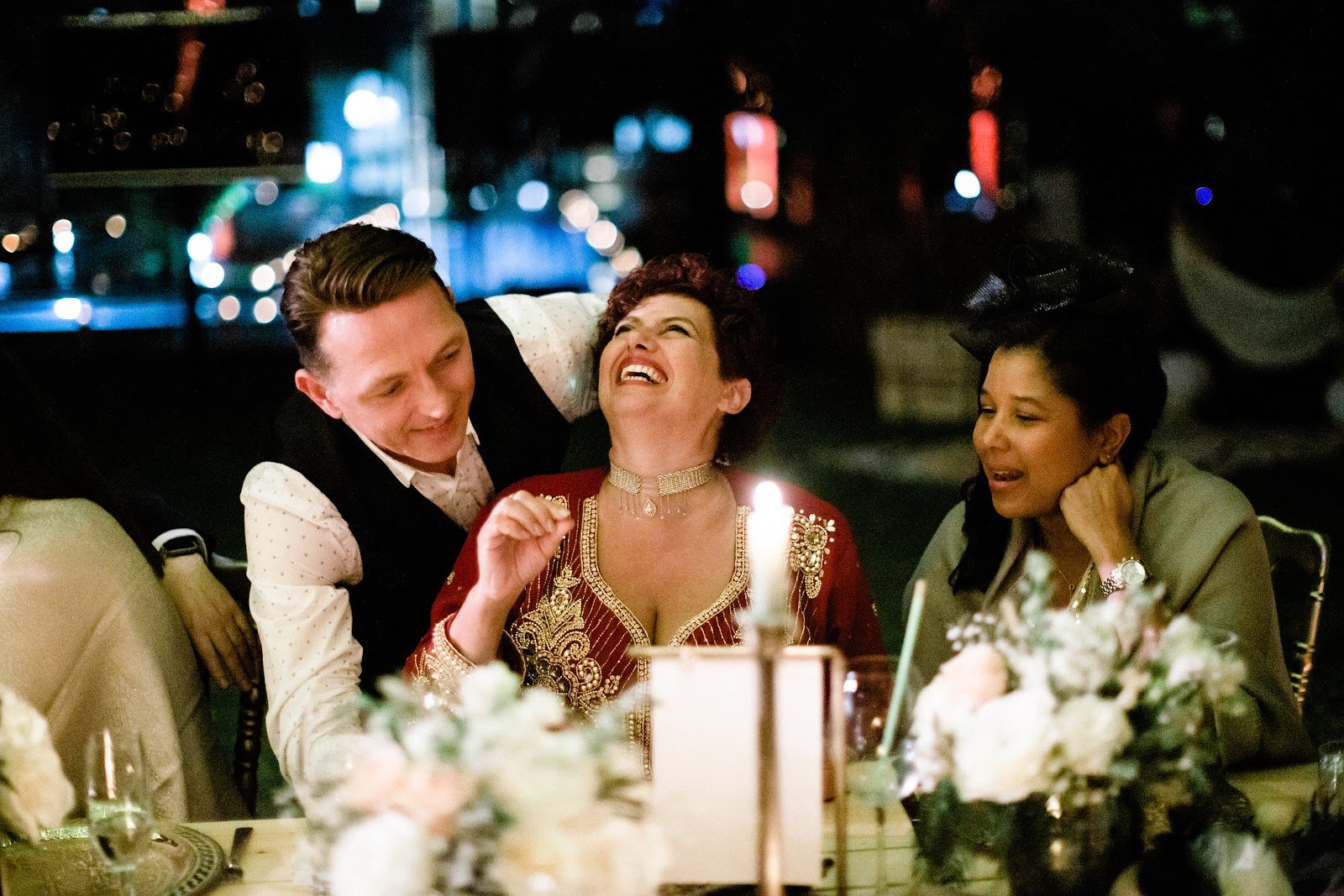
The menu is where the wedding becomes local or does not
You can hold a wedding in a Moroccan palace, hire Moroccan musicians, light the whole thing with Moroccan lanterns, and still serve a menu that could have come from a hotel in any city on earth. It happens constantly. And it is the single decision that most reliably separates a celebration that belongs to Marrakech from one that merely takes place here.
Food is also where couples feel least confident. They are feeding a hundred and fifty people, half of whom have dietary restrictions and some of whom have never eaten Moroccan food. The instinct is to retreat to the familiar. A wedding planner in Marrakech spends real effort talking couples out of that retreat, because the familiar option is almost always the worse one.
What Moroccan cooking is actually good at
The cuisine is built for exactly this situation, which is the thing most people do not realise. It is communal by design. Dishes arrive to be shared, not plated per person. It handles scale well, a tagine for two hundred is a different proposition from two hundred individual fillets of fish, and a far more forgiving one. And it is naturally generous to vegetarians, which solves half your dietary problems before you have started.
It is also slow, which matters more than it sounds. A menu of shared dishes keeps people at the table. A plated three-course dinner empties a room in ninety minutes. If you want the long, loud, seated hours that make a wedding feel like a wedding, the structure of the food will do more for you than the seating plan.
The shape of a good wedding menu here
Begin with the salads. Not one, a table of them: cooked and raw, roasted peppers, carrots with cumin, aubergine, beetroot, lentils, zaalouk, taktouka. They arrive together, they are eaten with bread and with hands, and they occupy the first forty minutes without anyone noticing they are being occupied.
Then one or two substantial dishes. A mechouiwhole lamb, slow-roasted, carved in front of guests, is worth the theatre if the venue can take it. A pastilla, sweet and savoury at once, tends to be the dish people talk about afterwards precisely because it does not resemble anything they expected. Tagines follow, one meat and one vegetable, both shared.
Then fruit, and then pastries, and then tea. Not a wedding cake at nine o’clock while everyone is still full. The tea and the pastries are what carry the room from dinner into music.
The things that go wrong
Three, mostly. The first is heat: food that is excellent at the kitchen is lukewarm by the time it crosses a large garden, and the distance between where a dish is cooked and where it is eaten is a real constraint that needs to be measured, not assumed.
The second is spice. Moroccan cooking is aromatic rather than hot, but guests who have been told to expect North African food sometimes arrive braced for chilli. The kitchen should be told plainly who is in the room.
The third is the late hour. Guests who begin drinking at seven and eat at ten will be in trouble. Something substantial has to circulate in that gap, and it is astonishing how often it is forgotten.
Alcohol, plainly
Morocco is a Muslim country, alcohol is available at licensed venues, and most wedding venues that work with international couples are licensed. It is not a difficulty. What it does require is honesty in advance about which venues can serve, what can be brought in, and what the arrangement costs, questions that are simple to answer here and easy to get wrong from a distance.
It is also worth deciding what the non-drinking half of the room is offered. A table of fresh juices, almond milk, and tea that is genuinely good is not a consolation prize. In this city it is closer to the point. A Marrakech wedding planner who does not ask about the non-drinkers at the first meeting is not paying attention.
Who cooks
The last decision is the most consequential. Palace kitchens, private chefs, and the older family caterers who have worked Moroccan weddings for generations are three quite different propositions, and the right one depends on the venue, the guest count and how much of the evening you want the food to carry.
Knowing which kitchen can deliver two hundred covers in a garden with no permanent power, and which will say yes and then struggle, is not something a menu tasting reveals. It is knowledge accumulated one event at a time, and it is a large part of what engaging a wedding planner in Marrakech actually buys you.