
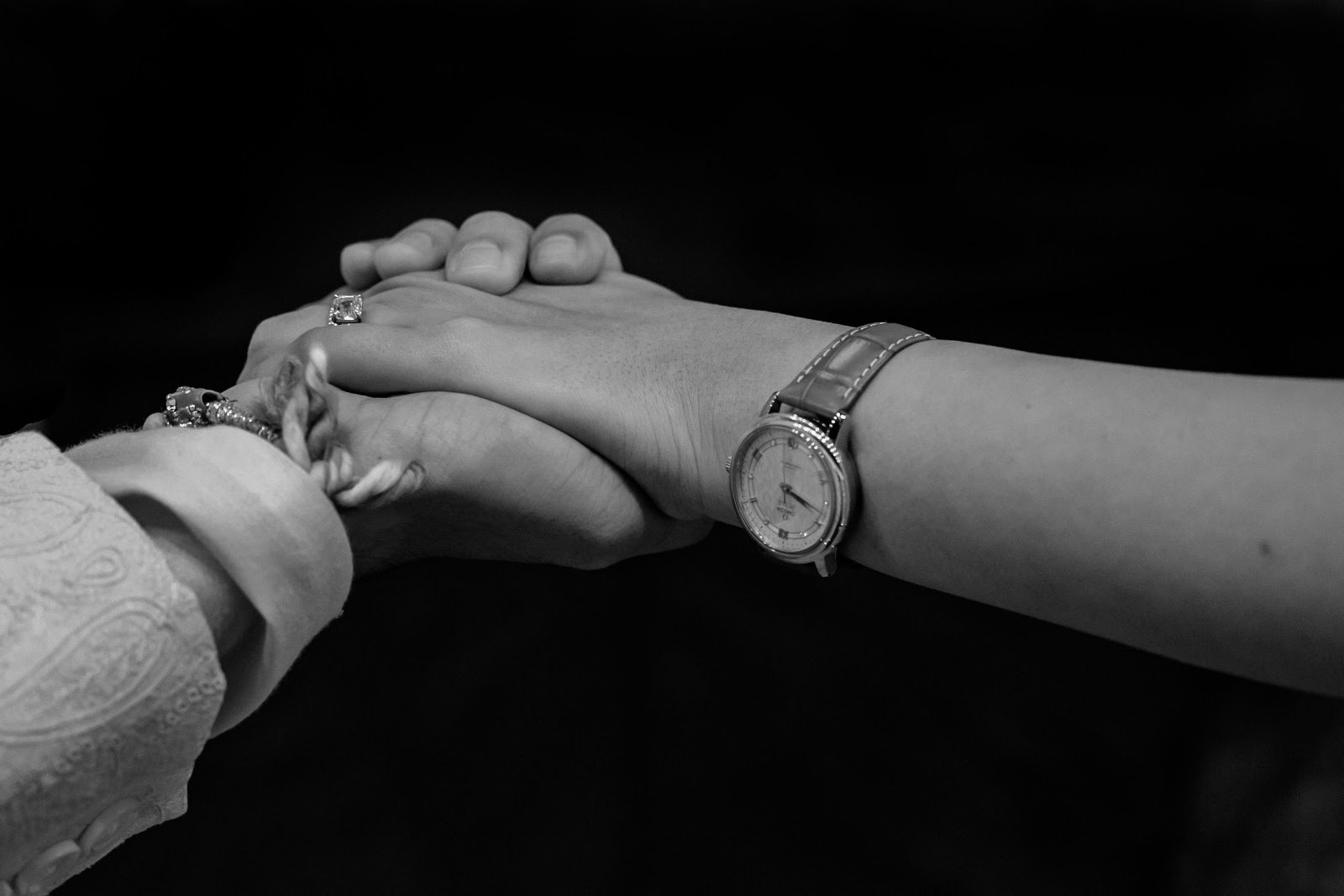
A different kind of celebration, not a smaller one
The assumption is that a small wedding is a large wedding with fewer people. It is not. Below about thirty guests the whole structure changes: you no longer need a venue that can hold a crowd, the logistics collapse to almost nothing, and the budget that would have covered catering for a hundred and eighty can instead buy three days of something very close to a private holiday for the people you love most.
Marrakech is unusually good at this, and it is the least discussed thing about the city. Most of what is written about weddings here concerns palaces and desert camps and two hundred guests. A wedding planner in Marrakech will tell you that a meaningful share of the work is much quieter than that.
Why the city suits it
A riad is a house. That is the essential point. Most riads sleep between eight and twenty people, and most of them can be taken entirely, which means that for three days your group has a courtyard, a roof terrace, a kitchen and a staff, and nobody else is there.
This is a fundamentally different experience from a hotel wedding at any scale. There is no reception desk, no other guests, no moving between spaces that belong to someone else. Breakfast happens when people come downstairs. The ceremony is in the courtyard where you have been eating for two days. Nobody has to be transported anywhere. For a wedding planner in Marrakech this removes most of the day’s risk at a stroke.
The second advantage is the flight. Marrakech is three to four hours from most of western Europewhich means a small group can come for a long weekend without the journey dominating the event. For a group of twenty, that matters more than it does for a group of two hundred.
What the money does instead
This is the part that surprises people. A budget that would be stretched thin across a hundred and eighty guests becomes generous across twenty.
It buys a private chef for three days rather than a catering contract for one evening. It buys the whole riad rather than a room block. It buys a photographer for the entire stay instead of ten hours. It buys the excursion, the hammam, the dinner in the desert, the things that get cut from a large wedding because they cannot be scaled.
What you end up with is not a wedding with a reception attached. It is three days in which the wedding is one of several things that happen, and the others are what people remember.
The elopement version
For two people, or two people and a handful of witnesses, the calculus changes again. What matters then is not venue capacity but privacy and light, a rooftop at sunset, a garden at seven in the morning before the city is awake, a spot in the Agafay reached by car and left again within two hours.
Couples marrying alone often want a photographer more than anything else, because the photographs will be the only account of the day that exists for the people who were not there. It is worth spending disproportionately on that, and worth choosing the hour of the ceremony entirely around the light rather than around convenience.
The legal point, stated plainly
A ceremony in Morocco and a legally binding marriage are two separate questions, and the second one depends on your nationalities, your religion and your country of residence. The requirements vary considerably and they change.
The great majority of international couples who marry here complete the legal formality at home, before or after, and hold the ceremony in Morocco as the celebration it is meant to be. That is the straightforward route and it is what most people do. If you want the marriage itself to be registered in Morocco, begin by asking your own consulate what it requires, early, and do not rely on second-hand accounts, including this one.
What does not get smaller
One warning. The number of guests falls; the amount of judgement does not. Choosing the right riad from among several hundred, knowing which courtyards hold sound and which swallow it, which kitchens can cook properly for twelve, which hour of which month gives you the light you saw in a photograph, none of that scales down.
A small wedding is not a project that runs itself because it is small. It is a project where every single element is visible, because there is nowhere for a mistake to hide. That is the argument for engaging a wedding planner in Marrakech even for twenty people, arguably especially for twenty people.